Why Cameroon?
A Geostrategic Position in Africa
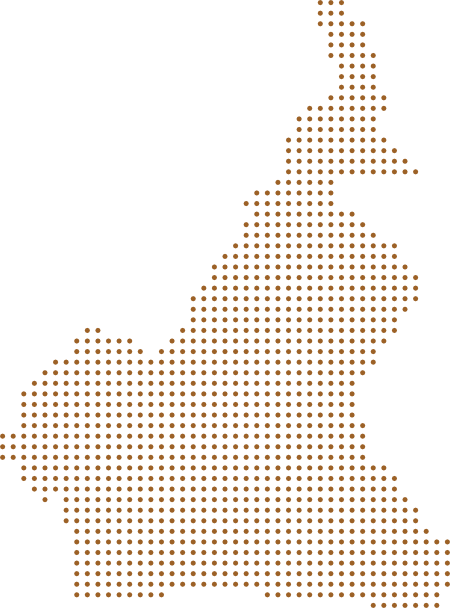
With an area of 475,442 km², Cameroon is located in the heart of Africa, in the Gulf of Guinea. Although open to 600 km of Atlantic coastline and sharing a long western border with the Federal Republic of Nigeria, a member of the Economic Community of West African States (ECOWAS), Cameroon sits at the natural crossroads of Central and West Africa, in the heart of the Gulf of Guinea. It is a gateway to the CEMAC and ECCAS sub-region, and a key hub within the African Continental Free Trade Area (AfCFTA), giving investors access to a market of more than 300 million consumers.
Economic resilience
Cameroon’s economy is projected to grow by 4.3% in 2026, with inflation at 3% and public investment rising 14%. Investments in vocational training, youth entrepreneurship, and infrastructure reinforce its position as a dynamic and resilient economic hub in Central Africa.
Initiated reforms
Diversified Economic Sectors
Primary Sector (15.3% of GDP)
Secondary Sector (24.5% of GDP)
Tertiary Sector (52.1% of GDP)
Key Investment Sectors

Agri-industry & Agricultural Processing
Energy & Infrastructure
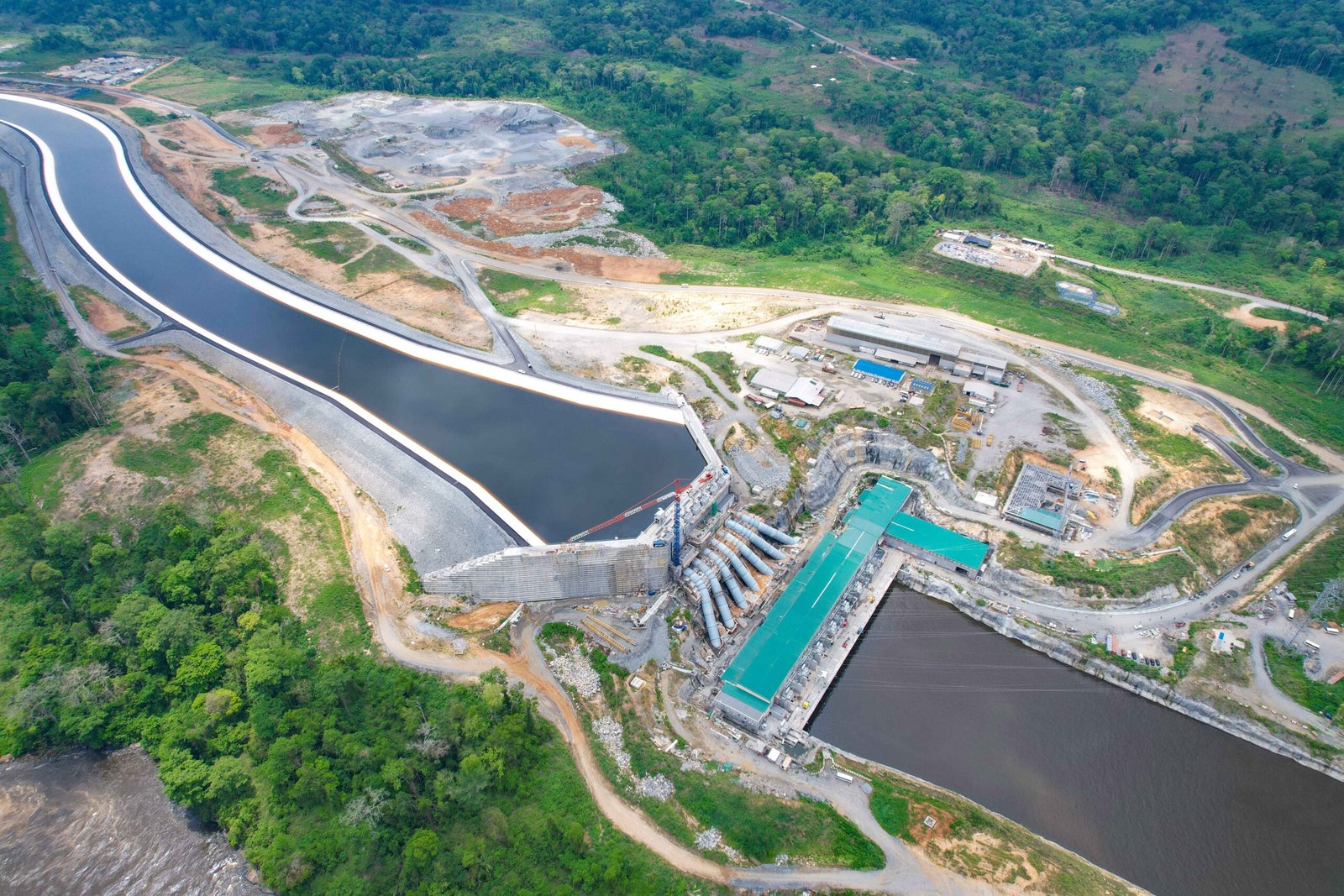
Oil, gas, and hydroelectric power drive Cameroon’s industrial ambitions, with ongoing investments in dams, electricity grids, and roads that enhance overall competitiveness and unlock broader industrial growth.
Mining & Industry
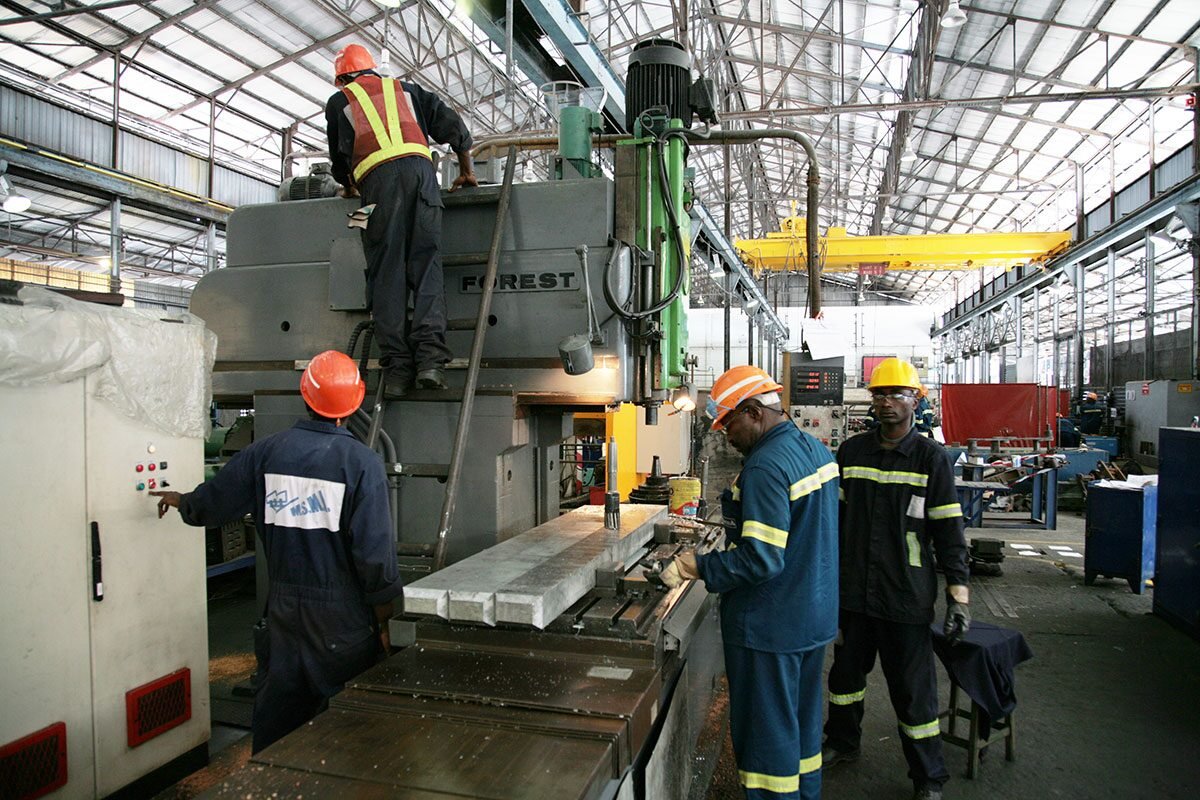
Cameroon’s subsoil holds significant untapped mineral wealth. The government is developing industrial estates to encourage local processing and responsible mining, creating long-term opportunities for investors in this sector.
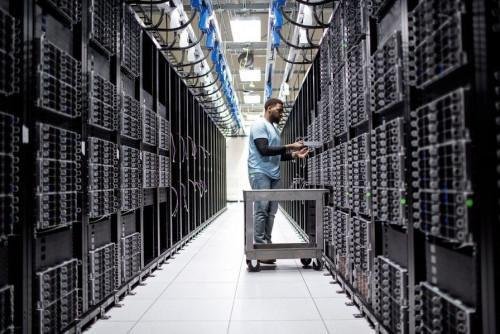
Digital Economy & ICT
Cameroon’s digital economy features a fast-growing telecoms sector, a thriving fintech scene, and an active start-up ecosystem. The sector is positioned to benefit from a young, increasingly connected population.
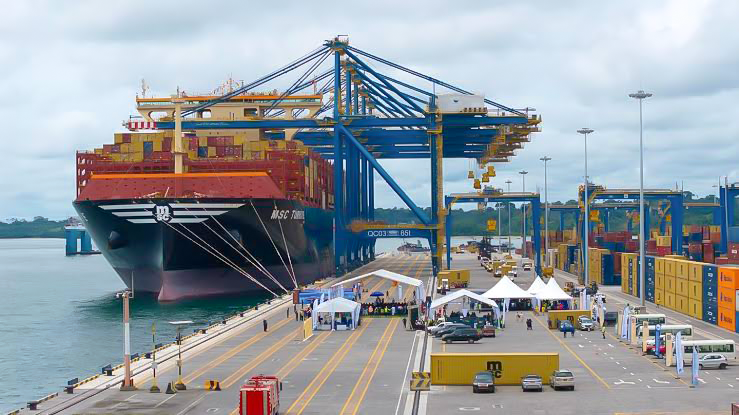
Transport & Logistics
Cameroon’s road, port, and rail networks make it a natural logistics hub for the CEMAC hinterland, with ongoing upgrades strengthening trade corridors to landlocked neighbors. This gives investors shorter supply chains and direct access to a market of over 300 million consumers.